Positive Endings
Caring for everyone involved when a parent leaves your household
 There’s nothing more rewarding than when parents leave our home with their child, having flourished into more confident, capable parents. Yet even in this positive scenario, most foster carers worry that the lack of ongoing support could make parents very vulnerable and sometimes put children at risk.
When a placement ends with the parent and child being separated, it’s very hard for everyone involved. Feelings of sadness, frustration, anger and even guilt are really common. Whatever the ending, how can we best care for everyone involved — the parent and child, ourselves and our families?
When Parent and Child Move On Together
Parents leaving care need the same preparation as other care leavers in terms of independence skills — budgeting, cooking, shopping, washing and so on. It can be very isolating leaving care with a child, and many foster carers continue their support informally after the parent has left. This will depend on the relationship and is a personal decision, but part of the preparation to leave is helping the parent to build a strong support network.
Groups like baby massage, baby signing and sensory play at local Children’s Centres, churches and other community groups are a good way for parents to make new friends in similar circumstances.
When the Placement Ends with Separation
When a placement ends in separation, the ending can be abrupt, often after a court hearing. If separation is a possibility, we need to be considering this throughout the placement, however well we feel the parent is doing.
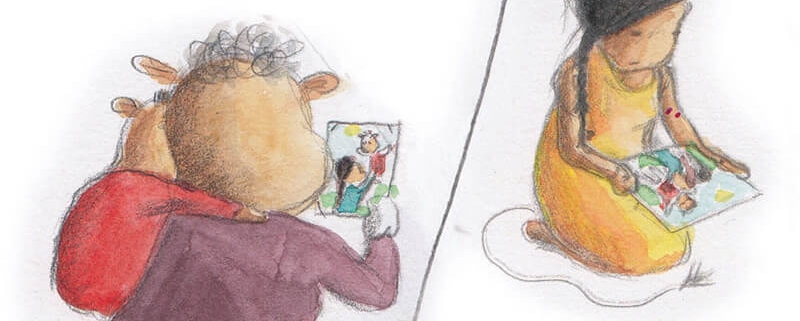
From day one, photos and snippets of film are really important whatever the outcome. A parent whose baby is removed still carries parenthood as their identity, so by recording special moments, you are equipping them for the future come what may. Photos can be put in an album or baby book — if you find out that the plan is for separation, you can make up two books. Another idea is to make something out of the parent’s clothes for baby and vice versa.
One of the hardest things about a separation is that there is very little support for these parents after the baby is removed. This can lead to a sad cycle where grief-stricken mothers turn back to coping mechanisms which make them vulnerable to further pregnancies, and where their babies are removed earlier and earlier. For mothers who have had more than one separation, Pause is an excellent project available in some areas which offers women a supportive programme of self-development for around 18 months.
Looking After Yourself and Your Family
Your own children will need time to talk and express how they feel, and may benefit from talking to your supervising social worker if they have a good relationship with them. Other fostered children may be really shaken by separations as this can remind them of their own separation from parents.
You also need to look after yourself. Make sure you talk to other people who understand what you’re feeling. You might find it helpful to join the Fostering Hope closed Facebook group where everyone is a parent and child foster carer.
“The button activity: Ask the parent to choose a button for each person they know. Lay them out to show how people relate to each other. Now think — when they move on from the foster placement, which relationships would they like to be closer in, and which should move further away?”
More Resources
- The Centre for Child and Family Justice Research — a rich source of research and resources
- Lancaster University documentary — mothers who have been separated from their children share their experiences
- Vulnerable mothers and repeat care proceedings website
- Pause — a programme for women who have had more than one child removed
- Giving Hope Project, Lancaster University
Personal Reflection / Ideas for Group Discussion
Individually or with peers, think about how you can help prepare parents to leave your home, either with or without their baby. Perhaps you can read about the ‘Hope Boxes’ and think about how to use this idea in your own work. Perhaps you could try out the button activity with a friend, then with a parent you are caring for.
